Reviewed · SAN JUAN TOURS
Cabalgata Cruce de Los Andes Cruce Sanmartiniano
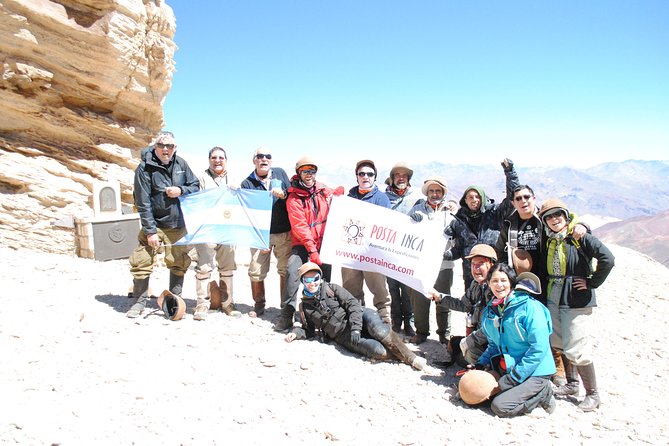
Crossing the Andes on horseback is the point here, but the real prize is following the route used by General José de San Martín and his army. From Barreal, the expedition moves through remote valleys, high passes, rivers, and mule tracks toward the Argentine-Chilean border. At the Espinacito Pass, you reach about 4,500 meters, a serious height with serious views.
I like two things right away: the trip connects physical effort to a clear historical story, and the support system is substantial, with vehicles, mules, guides, baqueanos, tents, and meals. Cristian and Eugenia are closely involved, and the small group size keeps the experience personal. The main caution is equally clear: this is medium to high difficulty, with cold, wind, altitude, long hours in the saddle, and basic camping.
Key points before you book
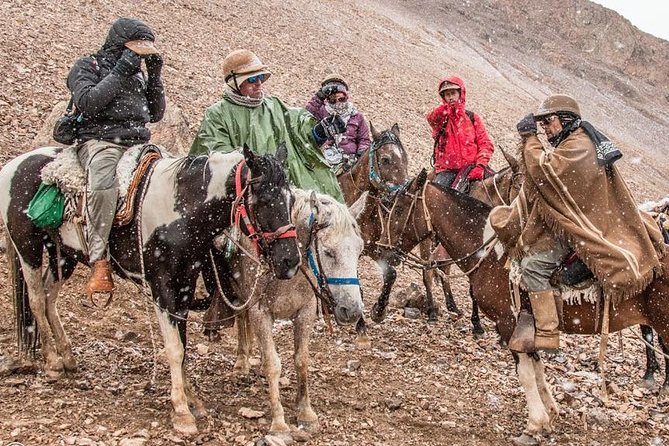
- Ride through San Martín’s historic route: Follow the valleys and passes linked to the 1817 Andes crossing toward Chile.
- Reach 4,500 meters at Espinacito Pass: This is the expedition’s highest point and its most demanding section.
- Sleep in remote mountain camps: Expect tents, camp dinners, star-filled skies, riverside nights, and limited comfort.
- Watch for Andean wildlife: Condors and guanacos are among the animals you might see along the route.
- Travel with a working mule team: The mules are central to moving equipment and making the expedition possible.
- Plan for a small but physically demanding trip: Bookings require at least six people and allow up to 14.
What this Andes crossing is really like
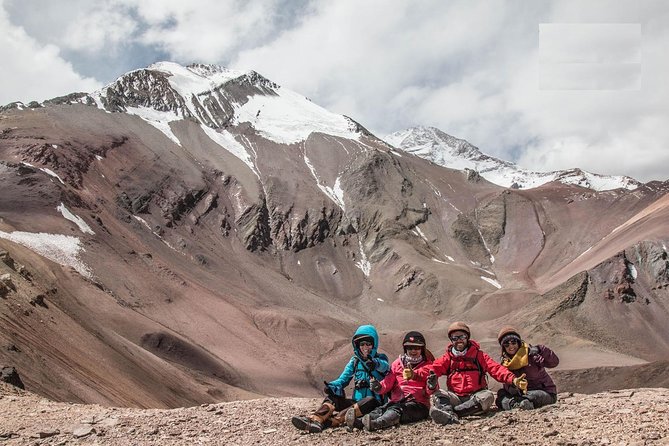
This is not a sightseeing horseback ride with a short canter and a return to town. It is a seven-day mountain expedition, generally described as eight days and seven nights, covering remote country on horseback and sleeping in tents for part of the route.
The pace is shaped by the mountains, the animals, the weather, and the need to establish camp each day. You will ride with a mule train, stop for meals in the open country, cross streams and valleys, and spend evenings away from ordinary roads and phone-centered life.
The historical setting gives the trip its purpose. San Martín used the Pass of Los Patos as one of his routes across the Andes. The camps and passes are not museum exhibits, but physical places where the scale of that military crossing becomes easier to grasp. A horse, a mule, a steep pass, and a cold night can tell you plenty about the work involved.
The operators place strong emphasis on safety, organization, and personal attention. Cristian is the principal guide named in the experience, with Eugenia and a team of baqueanos supporting the group. The baqueanos are local mountain horsemen and practical guides, important in country where route knowledge and animal handling matter as much as formal narration.
Other San Juan half-days people book on the same trip:
- San Juan Guided Snorkel With Turtles Tour and Videos
★ 5.0 · 12,947 reviews - Top Rated El Yunque Rainforest & Waterslide – SmallGroup Tour
★ 5.0 · 12,789 reviews - Night Kayak – Condado City Lights Tour
★ 4.5 · 4,807 reviews
Day 1: San Juan to Barreal and a useful reset
The trip begins with reception in the city of San Juan and a transfer to Barreal. This first move matters because Barreal is the staging point for the mountain crossing, not just a place to spend the night before riding.
You stay in Barreal, have time to acclimatize, and go through an equipment check and logistics briefing. The team also introduces the history of the crossing. Use this time well. Ask about the next day’s riding hours, what will stay in your daypack, how the mule assignment works, and how the group handles changing weather.
Barreal gives you a last comfortable base before the expedition moves into the cordillera. The first day is also a useful test of your preparation. If your boots rub, your saddle clothing feels wrong, or your luggage is poorly arranged, this is the time to fix it.
Day 2: Four-wheel-drive access and the first mountain camp
The second day starts with breakfast, followed by a transfer in four-wheel-drive vehicles to the first mountain post. This road section is more than a convenience. It takes the group closer to the riding country and avoids using the opening hours of the trip on ordinary road travel.
Once at the post, the mules are assigned and prepared. This is one of the more authentic parts of the experience because the expedition depends on a working animal team, not just on horses carrying riders. You should expect some practical activity around loading and preparation rather than a quick photo stop.
Lunch is served in the field. The route then enters a mountain valley bordered by Cerro La Ramada and Cerro Alma Negra. The setting changes quickly from access road to broad, quiet mountain country, with chances to see native fauna. Condors and guanacos are specifically associated with the experience, though sightings are never guaranteed.
The first camp marks the beginning of the real expedition rhythm. Ride, stop, eat, care for yourself and your horse, then settle into a tent. If you need private rooms, warm showers, and a fixed dining schedule, this is where the trip may begin to feel too basic.
Day 3: Espinacito Pass at 4,500 meters
Day three is the physical centerpiece. The group rides toward Espinacito Pass, reaching approximately 4,500 meters above sea level before descending toward the base camp at Las Vegas de Gallardo.
This is the section that demands the most respect. The altitude can affect anyone, regardless of general fitness, and the route combines elevation with saddle time, cold, wind, and uneven ground. The tour calls for a moderate fitness level, but I would treat that as a minimum rather than a guarantee of ease.
The reward is a huge sense of space and a close look at the terrain San Martín’s forces had to cross. At this height, the mountains are not background decoration. They control the pace and make every rise feel earned.
Dinner and the night are spent at Vegas de Gallardo. A camp meal after this pass will likely feel more satisfying than any restaurant dinner, but you should be ready for a basic setting. The published information includes tents and dinner, not hotel-style facilities or air evacuation.
Swap the water for something else in San Juan:
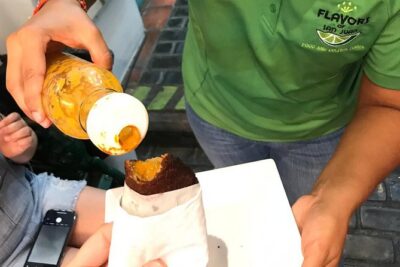
- Authentic Flavors of San Juan Food Tour
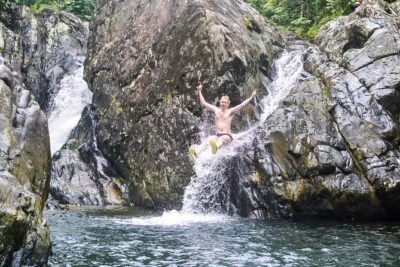
★ 5.0 · 4,741 reviews - Small-Group El Yunque Rainforest Vivid Day Tour with Transport
★ 5.0 · 2,747 reviews - Small-Group El Yunque Waterslide Adventure & transportation
★ 5.0 · 2,616 reviews - Culebra Snorkeling Tour by Catamaran from Fajardo
★ 4.5 · 2,534 reviews
Day 4: Valle de Los Patos and San Martín’s final Argentine camp
The route continues through Valle de Los Patos before reaching Valle Hermoso. This area carries particular historical weight because it is identified as the last camp on the Argentine side used by General San Martín and his army.
The value of this day lies in the combination of movement and context. You are not simply stopping at a named viewpoint. You are riding through a corridor of valleys and hearing the story of how the route functioned during the liberation campaign.
The night is spent beside the Valle Hermoso River. Riverside camping adds a welcome change after the high pass, though it does not remove the basic conditions of expedition life. Bring layers that can handle a sharp temperature change between sun and shade, and keep essential items protected from dampness.
This is also a good day to settle into the group. The experience has a social side, with shared meals, mate, camp conversation, and time around a fire when conditions allow. The strongest personal memories may come as much from the evenings as from the riding.
Day 5: The Argentine-Chilean border marker
Day five takes you by horseback to the border marker between Argentina and Chile. Reaching the hito fronterizo is the clearest geographical goal of the crossing. You have moved from Barreal through the interior valleys to the line between the two countries.
After arriving, you have time to rest and the remainder of the day is free. That pause is welcome. A seven-day ride needs a slower period, especially after Espinacito and the route through Valle Hermoso.
The border does not mean you are crossing into Chile as part of a separate transfer or continuing to a Chilean town. The activity returns along the Argentine route. Bring a current valid passport on the day of travel, as required by the operator, even though the itinerary ends back in Argentina.
Day 6: Returning through the cordillera
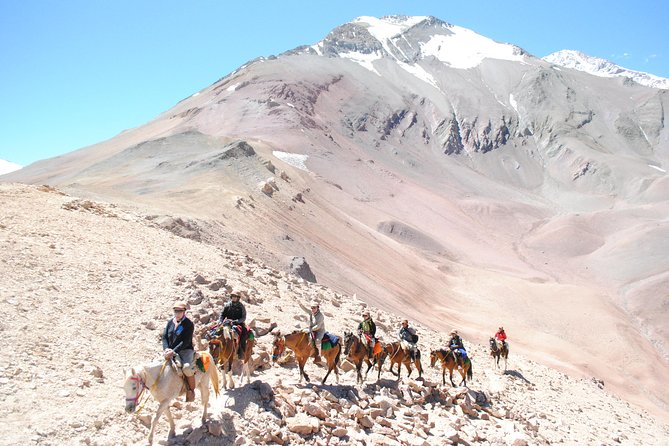
The return ride follows mountain streams toward Rancho de Lata or Vega del Cura, where the group spends the night and has dinner.
This day may feel less dramatic on paper, but return routes often reveal details missed during the first passage. You may notice different angles on the valleys, changing light on the slopes, and the practical work involved in keeping horses, mules, people, and supplies moving together.
The wording allows for either Rancho de Lata or Vega del Cura, so the exact overnight location can depend on conditions and logistics. You should expect the same expedition style: mountain camping, shared meals, and a schedule shaped by the route.
Day 7: La Honda Pass, Aconcagua views, and the return to Barreal
The final riding day begins with breakfast at Rancho de Lata or Vega del Cura. The group then climbs toward La Honda Pass at about 4,350 meters.
La Honda is slightly lower than Espinacito, but it is still a high mountain pass and should not be treated as a gentle final outing. From here, you can see the high-cordillera border line and Cerro Aconcagua. The itinerary does not promise a particular viewpoint or weather, so visibility will depend on conditions.
The route continues to Manantiales. From there, vehicles return the group to Barreal for a farewell dinner and a night in cabins. Drinks and dessert are not included at this farewell meal, a small detail worth remembering after a week in which most food is covered.
The published schedule describes seven days, while the overview also says eight days and seven nights. Since the itinerary lists Days 1 through 7, confirm the exact calendar dates, overnight count, and final departure timing before paying for connecting transport.
Camping, meals, and the practical comfort level
The price includes tents, six lunches, five breakfasts, and seven dinners according to the supplied details. The itinerary also describes breakfast, lunch, and dinner throughout the journey, so ask the operator to confirm the final meal count and what is served on the transfer days.
You should think of the food plan as expedition catering, not a culinary tour. Meals are part of the logistics that let you stay in remote country, and shared camp dining is a central part of the experience. Drinks and dessert are specifically excluded from the farewell dinner.
The tents are included, but the information does not list sleeping bags, mattresses, saddles, riding helmets, personal clothing, or other individual equipment. Do not assume every item is supplied. Ask for a current packing list, especially because the trip operates in all weather conditions and reaches high altitude.
The supplied vehicle is air-conditioned, and four-wheel-drive transport is used to reach the first mountain post. That gives you important support at the beginning and end, but most of the experience takes place on horseback and on foot around camp.
How difficult is the riding?
The official rating is medium to high, and that is the most important booking detail. You need moderate physical fitness, must be comfortable spending long periods in the saddle, and should be prepared for steep mountain routes and changing weather.
Children aged 12 and under are not recommended. Children who do participate must be accompanied by an adult. The minimum age rule is not simply about riding ability. It also reflects the altitude, camping, cold, fatigue, and limited comforts.
You do not need to approach this as a technical mountaineering trip. The horses and mules carry much of the load, and the baqueanos provide practical support. Still, the expedition is not designed to remove every physical challenge. Its appeal comes partly from having to work with the route.
If you have concerns about altitude, previous riding experience, medical conditions, or emergency support, discuss them with the operator before booking. Air evacuation is not included, so you should understand exactly what emergency procedures and insurance arrangements apply.
What makes the price of $1,550 worthwhile
At $1,550 per person, this is a costly excursion. The expense reflects more than a horse ride. The operator must move people and equipment into remote mountain country, provide a mule operation, organize vehicles, supply multiple meals, maintain tents, and staff the expedition with guides and baqueanos.
The small-group structure helps explain the price. Bookings can include up to 14 people, but at least six are required for the activity to operate. It is a private activity for your group, so you are not being added to a large public departure with unrelated participants.
I see the value most clearly if you want a complete historical expedition rather than a short horseback outing. Seven days of transport, food, camps, animals, guiding, and route logistics would be difficult to arrange independently. If you only want mountain scenery and have limited time, the price may feel high for an experience that includes basic accommodation.
The people who will get the most from it
You should consider booking if you enjoy horses, remote mountain travel, camping, and history that takes place on the ground beneath your feet. The trip also suits people who like shared effort and do not mind giving up normal comforts for a few days.
It is particularly appealing if you want to disconnect from ordinary routines. The expedition creates long stretches without the usual phone-centered distractions, followed by evenings of mate, conversation, camp life, and mountain skies.
You should think twice if you dislike tents, cold nights, unpredictable weather, group meals, or physical exertion. A love of photography alone is not enough. Cameras can record the mountains, but the route still requires you to ride, climb, wait, adjust, and keep going.
Booking details that deserve attention
Pickup is offered from San Juan, and the activity ends back at the meeting point. The listed operating period runs from April 3, 2025, to March 3, 2026, with operating hours shown as Monday through Friday from 9:00 a.m. to 12:30 p.m. The expedition season in the description is summer, from December through March, so confirm the available departure date because those details do not perfectly match.
A current passport is required on the day of travel. The experience operates in all weather conditions, but poor weather can lead to cancellation, a different date, or a full refund. The same options apply if the minimum group size is not met.
You can cancel for a full refund up to 24 hours before the start time. Cancellations and changes within 24 hours are not refunded or accepted. Since this is a multi-day mountain trip, I would avoid booking tight connections immediately afterward.
Should you book the Sanmartiniano crossing?
Book it if you want a demanding, story-driven Andes expedition and you are comfortable trading hotel comfort for tents, mules, riverside camps, and high passes. The combination of Espinacito at 4,500 meters, La Honda at 4,350 meters, the border marker, and Valle Hermoso gives the week a strong sense of purpose.
Skip it if you want a relaxed horseback holiday, guaranteed clear views, or easy access to medical evacuation. Before booking, confirm the eight-day versus seven-day wording, ask for the packing list, clarify the meal counts, and check the exact departure date.
For the right person, this is far more than a scenic ride. It is a physical way to understand the scale of San Martín’s crossing, with Cristian, Eugenia, and the baqueanos helping you move through country that still demands respect.
FAQ
How long does the Cabalgata Cruce de Los Andes take?
The itinerary covers seven days, while the overview describes the experience as eight days and seven nights. Confirm the exact schedule and overnight count with Posta Inca Adventures before booking.
Where does the experience start and finish?
The activity starts in San Juan, San Juan Province, Argentina, with pickup offered. It ends back at the meeting point after the return to Barreal and the final arrangements.
What is the highest point reached?
The route reaches approximately 4,500 meters at Espinacito Pass. La Honda Pass reaches about 4,350 meters.
What time of year does the expedition operate?
The description identifies summer, from December through March, as the season. The supplied operating period is April 3, 2025, through March 3, 2026, so confirm the date available for your booking.
What meals are included?
The package lists six lunches, five breakfasts, and seven dinners. Drinks and dessert are not included with the farewell dinner.
Is camping included?
Yes. Tents are included, and the itinerary includes nights at mountain camps, including Vegas de Gallardo and Valle Hermoso. The final night is in cabins in Barreal.
Do I need a passport?
Yes. A current valid passport is required on the day of travel.
How many people can join the activity?
A booking requires a minimum of six people and allows a maximum of 14. The activity is private for your group.
What happens if weather or group size cancels the trip?
If poor weather or an insufficient number of participants causes cancellation, you can choose a different date or experience, or receive a full refund. Free cancellation is available when you cancel at least 24 hours before the start time.
Just added around San Juan
- Full Day Eastern Island Tour★ 5.0 · 3 reviews
- Authentic San Juan Guided Walking Food Tour with Pina Colada★ 5.0 · 3 reviews
- Transport from Airport Luis Muñoz Marín to Ferry Ceiba★ 5.0 · 3 reviews
- Boogie Board with Snacks and Drinks in San Juan★ 3.5 · 3 reviews
- Professional Photoshoot in the Vibrant Streets of Old San Juan★ 5.0 · 3 reviews
- Old St. John Scenic On Cart Minimal Walks★ 5.0 · 3 reviews
- Airport Transfer to San Juan Condado Isla Verde Vice Versa One way trip★ 5.0 · 3 reviews
- Premium Transfer Service FROM or TO Rio Grande Puerto Rico★ 5.0 · 3 reviews
San Juan Tours, compared.
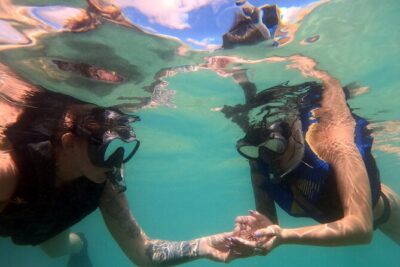
San Juan Guided Snorkel With Turtles Tour and Videos
Read our review →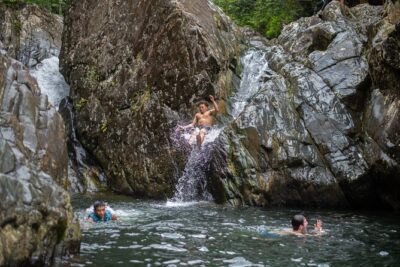
Top Rated El Yunque Rainforest & Waterslide – SmallGroup Tour
Read our review →
Small-Group El Yunque Rainforest Vivid Day Tour with Transport
Read our review →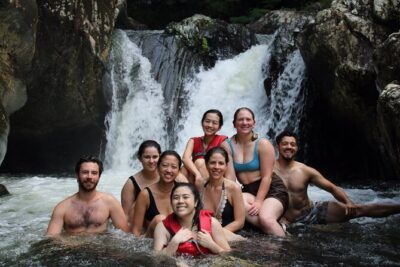
Small-Group El Yunque Waterslide Adventure & transportation
Read our review →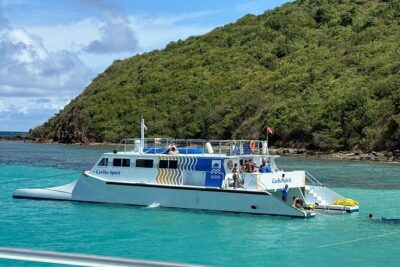
Culebra Snorkeling Tour by Catamaran from Fajardo
Read our review →