
Reviewed · PUERTO RICO
The Taino Route
Puerto Rico’s Taíno past is written in stone. On this full-day trip from San Juan, you’ll visit ancient caves with petroglyphs and the Caguana Indigenous Ceremonial Center, where ten ceremonial courts reveal how Taíno communities gathered and played batey, their famous ball game. Javier’s archaeology background gives the sites meaning that a quick stop alone cannot provide.
I like the private vehicle and small group size, which keep the day calm and flexible. I also like the chance to connect archaeology with living Puerto Rican culture, local food, plants, wildlife, and present-day questions. The main drawback is the physical side: cave paths can be muddy or slippery, and lunch is not included in the $210 price.
Key points to know before booking
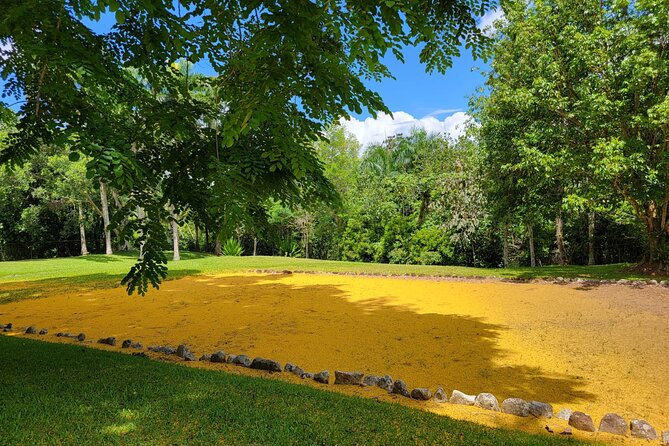
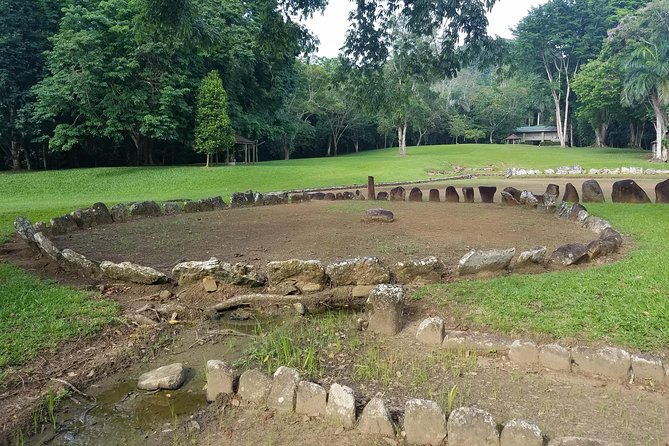
- Caguana’s ten ceremonial courts form the heart of the day and rank among the most important Taíno archaeological remains in the Antilles.
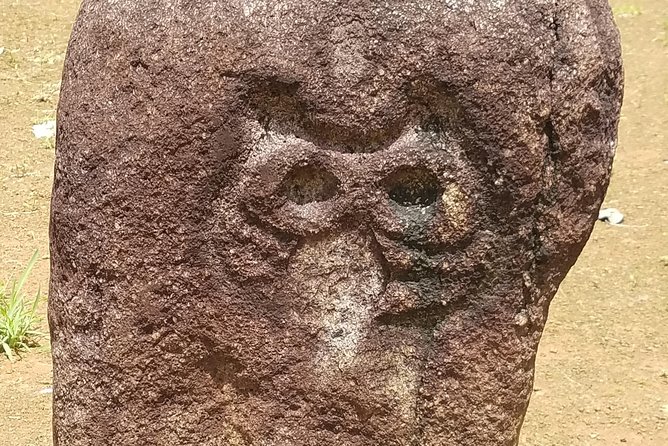
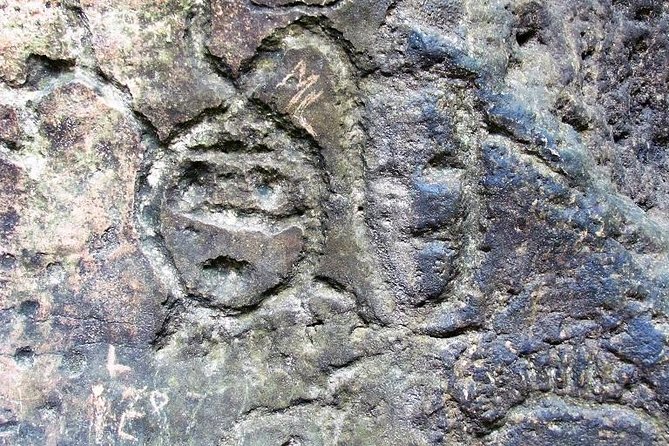
- Ancient cave art includes petroglyphs and other marks linked to early human activity on the island.
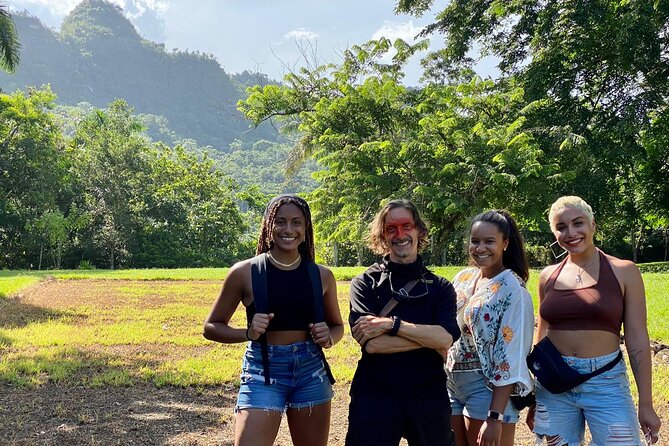
- Javier leads the tour, bringing training in archaeology and a broad command of Puerto Rican history, mythology, culture, and nature.
- Private transport from San Juan means your group travels in a comfortable, air-conditioned vehicle rather than a large tour bus.
- Good walking shoes matter, especially after rain. Hiking boots are not required, but sandals may not give you enough grip.
- Lunch costs extra, though the day includes snacks and the guide can help arrange a local meal.
Why Taíno history deserves a full day
Many visitors come to Puerto Rico for beaches, forts, music, and food. Those are good reasons to visit, but they tell only part of the island’s story. The Taíno people lived here long before Spanish colonization, and their art, place names, foodways, beliefs, and symbols still shape Puerto Rican identity.
This trip gives that earlier chapter most of a day. You leave San Juan and head toward Arecibo in a private, air-conditioned vehicle. The drive matters because it shifts the setting from the capital’s urban sights to places where archaeological evidence remains close to the ground, the rock, and the forest.
I would choose this experience if you want context rather than a quick photo stop. The guide’s role is central. Javier is described as an archaeologist with a master’s degree, as well as an art historian and guide. His job is not simply to point toward a carving. He helps connect the carving to Taíno culture, island-to-island relationships, mythology, archaeology, and Puerto Rico today.
That approach also makes the tour useful for families and mixed-age groups. Children must be accompanied by an adult, but most people can take part. The private format allows your group to ask questions without feeling rushed or lost in a crowd.
Other Puerto Rico half-days people book on the same trip:
- San Juan Guided Snorkel With Turtles Tour and Videos
★ 5.0 · 12,947 reviews - Top Rated El Yunque Rainforest & Waterslide – SmallGroup Tour
★ 5.0 · 12,789 reviews - Half-Day Yunque Rainforest Waterslide & rope swing Guided Tour
★ 5.0 · 6,534 reviews
Caguana’s ceremonial courts and the meaning of batey
The first major stop is Parque Ceremonial Indígena de Caguana, usually called the Caguana Indigenous Ceremonial Center. Plan on about 90 minutes here, with admission included.
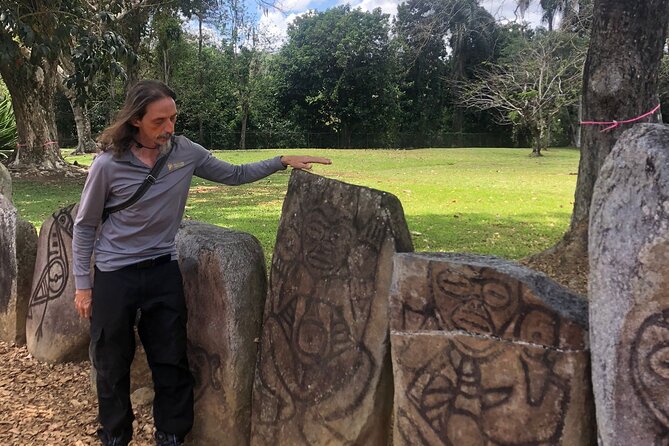
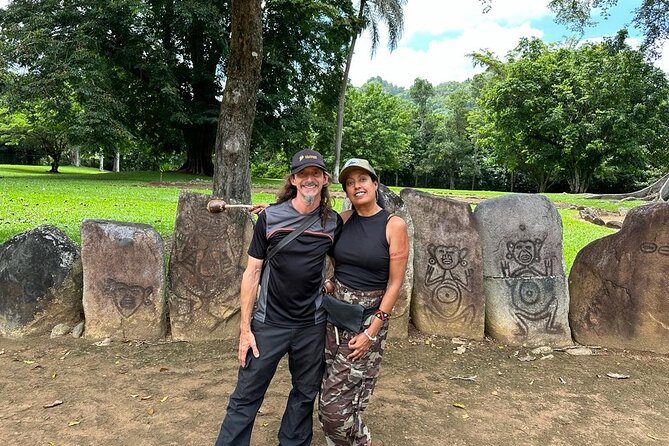
Caguana is an archaeological museum and ceremonial site built around ten stone courts. These courts were used for batey, the Taíno ball game. The site is important not just because it is old, but because it helps you picture community life. This was a place for gatherings, ritual, performance, and shared activity, not merely a collection of isolated artifacts.
The stonework and carved symbols can seem quiet at first. That is where a strong guide earns the fee. Javier’s explanations put the courts into a wider setting and help you think about what the carvings may have meant. He also discusses Taíno beliefs and the links between Puerto Rico, other Caribbean islands, and Mesoamerica.
I appreciate that this part of the day is not treated as a simple stop on the way to the caves. Caguana gives you a framework for understanding the petroglyphs later. You begin to recognize that the marks on stone were part of a culture with its own spiritual ideas, social practices, art forms, and ways of reading the natural world.
The site visit is also a more grounded way to approach the word Taíno. The experience does not reduce the people to a vanished civilization. It places their culture within Puerto Rico’s longer story and encourages you to consider how native heritage is remembered, discussed, and sometimes overlooked.
You have about an hour and a half here, which is enough for a thoughtful visit but not an all-day museum study. If you like to read every display slowly, you may want to use your guide time well by asking questions as you go.
Entering the caves near Playa Mar Chiquita
The cave portion brings you closer to the physical evidence itself. At or near Playa Mar Chiquita, the route includes a visit to Cueva Golondrina, with admission listed as free. The overall experience is described as including two ancient caves with petroglyphs and other signs of early human activity.
The cave visit is where sturdy footwear becomes important. Several accounts describe climbing or walking over muddy, slippery ground, especially after rain. Good sneakers with a firm tread should be enough for most people. Hiking boots are not needed, but hiking sandals may leave you short on grip.
You may encounter uneven steps and challenging sections. Javier can help you move carefully, but this is not a hands-off sightseeing stop. If you have trouble with climbing or slippery trails, ask about the current conditions before you book.
Inside, the reward is not only the cave itself. Petroglyphs and pictographs can be difficult to interpret without guidance, and it is easy to walk past a symbol without noticing it. Javier points out details on the cave walls that a standard site explanation may not cover, then relates them to Taíno art and beliefs.
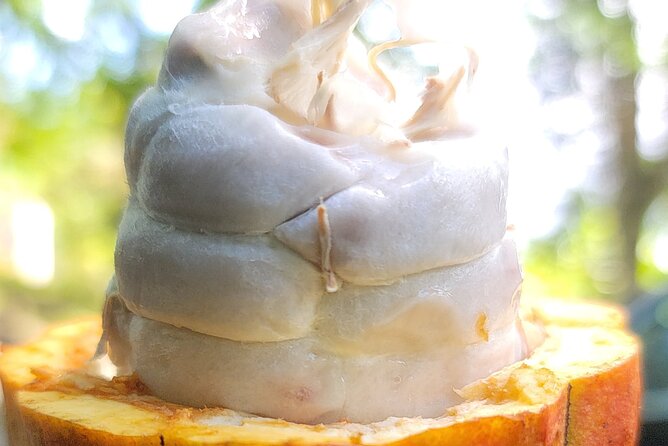
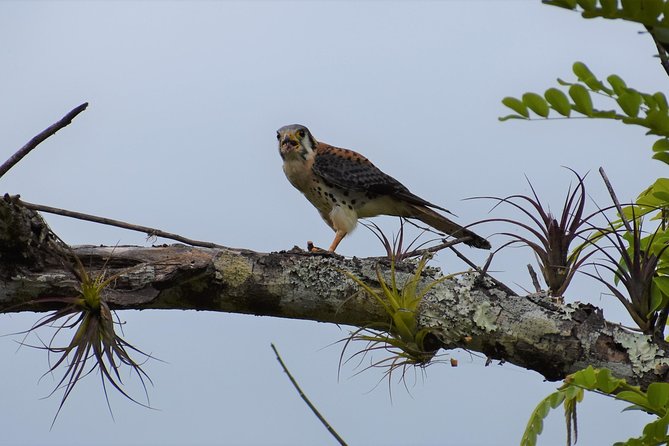
The surrounding setting adds another layer. The day can include discussion of local plants and animals, and past experiences have included seeing fruit growing in the area, along with wildlife such as a snake and a large spider in its web. These details are not guaranteed, but they show why the cave walk is more than an indoor archaeology lesson.
One practical note deserves attention: the supplied route details use different names for the cave portion, including Cueva Golondrina, Cueva Ventana, and Cueva del Indio. Since cave access and conditions can change, I would confirm the exact cave or caves included when booking. The core promise remains clear: you are going to ancient cave sites to see petroglyphs and learn about early human history.
A guide who changes the quality of the visit
This tour depends heavily on the guide. Caguana has value on its own, and the caves are visually striking, but the day becomes much more meaningful when someone can explain what you are seeing.
Javier’s strengths are presented in very specific ways. He has an academic background in archaeology, knows Puerto Rican history and culture, and can discuss anthropology, mythology, wildlife, and the wider Caribbean. He also seems comfortable with open conversation, including modern Puerto Rican culture and politics.
That range matters because the Taíno story does not fit neatly into one museum label. You may start with a carved symbol and end up talking about food, language, religion, colonial history, or connections among Caribbean islands. The best part of a private tour is that you can follow those questions instead of waiting for a scripted speech to end.
The guide also handles the practical side of the day. He drives the private SUV, adjusts plans when weather changes, helps on slippery sections, and can adapt lunch plans to dietary needs. One vegetarian guest received a quick change of restaurant, while other outings included local food such as mofongo.
None of this means every detail is guaranteed. Restaurants, wildlife sightings, weather, and the exact route can change. But the guide’s flexibility is a real advantage over a fixed bus excursion.
Swap the water for something else in Puerto Rico:
- El Yunque Rainforest Waterslides and Luquillo Beach w/ Transport
★ 4.5 · 5,098 reviews - Night Kayak – Condado City Lights Tour
★ 4.5 · 4,807 reviews - Luquillo Beach Horse Ride from Carabalí Rainforest Adventure Park
★ 5.0 · 4,762 reviews - Authentic Flavors of San Juan Food Tour
★ 5.0 · 4,741 reviews
What the private format adds
The price is $210 per person, and the tour requires at least two people. A maximum of six people can book, so this is a genuine small-group experience, with only your own party participating.
That price is not a bargain-basement sightseeing rate. You are paying for roughly eight hours, hotel or port pickup and drop-off, private transportation, snacks, admission to Caguana, and a professional guide with specialized training. Lunch is extra, and you should budget for it.
I think the value is strongest for two to four people who care about history and prefer personal attention. If six people share the vehicle, the cost per person is easier to justify, though the experience will naturally feel less intimate than a couple traveling alone.
The private car also saves you from arranging a rental vehicle and finding the sites yourself. Puerto Rico’s rural roads and archaeological locations are easier to manage when someone else handles the driving. You can watch the scenery, ask questions, and avoid losing time to navigation.
The tradeoff is that the day is long. Eight hours in a vehicle and on foot can feel tiring, especially in warm weather or after rain. This is not the right pick if you want a slow beach day or a mostly seated cultural tour.
Snacks, lunch, and the local side of the day
Snacks are included, but lunch is not. That distinction is worth planning around because you will be away from San Juan for most of the day.
The food stop can become part of the experience rather than a rushed necessity. The guide has taken groups to local restaurants, and mofongo has been part of the meal on some outings. Since restaurant arrangements are not spelled out as a fixed inclusion, ask how lunch is handled on your date.
Tell the operator about dietary needs before departure. A vegetarian request was accommodated successfully, but advance notice is still the sensible move.
The food matters because it gives the history a present-day connection. You are not only looking backward at archaeological remains. You are also seeing how Puerto Rican culture continues through meals, conversation, and the guide’s explanations of the island.
Who will enjoy this most
I would recommend The Taíno Route to you if you have a serious interest in archaeology, Indigenous history, or Puerto Rican culture. It is especially good for visitors who want to understand what they are seeing rather than collect a few scenic photographs.
Families can also benefit, provided children are supervised and comfortable with walking. The private setup makes it easier to pause, ask questions, or move at a different pace than a large group.
The tour may not suit you if you dislike uneven terrain, climbing, mud, or changing outdoor conditions. You should also think twice if your priority is convenience above all else. The vehicle is comfortable, but the cave portion still asks you to walk carefully.
Bring closed-toe shoes with good tread. After rain, expect the possibility of slippery ground. Wear clothing suited to a warm outdoor day, and remember that the exact cave conditions may affect how strenuous the visit feels.
Booking, weather, and cancellation details
You must book for at least two people, and children need to travel with an adult. Service animals are allowed, and most people can participate, but the cave walk means you should consider your own comfort with uneven ground.
The experience is weather-dependent. If poor weather causes cancellation, you can receive a different date or a full refund. You can also cancel for a full refund up to 24 hours before the start time. Changes or cancellations inside that window are not accepted, so keep the local cutoff time in mind.
The tour is often booked about 24 days ahead. That is useful planning information if your San Juan stay is short or falls during a busy travel period.
Should you book The Taíno Route?
Book it if you want one of Puerto Rico’s strongest history-focused day trips and you value a guide who can explain archaeology in human terms. The combination of Caguana, cave art, private transport, and Javier’s personal instruction gives you far more context than a quick independent visit.
Skip it if you want a low-effort outing, if caves and slippery paths are a poor match for you, or if $210 plus lunch feels too high for a full-day excursion. Before paying, confirm the exact cave stops and lunch plan.
For curious visitors, I think the value is strong. You return to San Juan with more than photographs. You have a clearer sense of Taíno life, Puerto Rico’s early human story, and the ways that past still informs the island today.
FAQ
How long does The Taíno Route last?
The tour lasts approximately eight hours, including transportation from San Juan and the return to your hotel or port.
Is hotel pickup included?
Yes. Pickup and drop-off are included from San Juan hotels, and port pickup and drop-off are also listed as included.
How much does the tour cost?
The listed price is $210 per person.
Is lunch included?
No. Snacks are included, but lunch is at your own expense.
How many people can join?
A minimum of two people is required per booking, and the maximum is six people. Only your group participates.
What will I see at Caguana?
You will visit the Caguana Indigenous Ceremonial Center, an archaeological museum and site with ten ceremonial courts associated with the Taíno ball game called batey.
Do I need special footwear?
Good walking shoes are strongly recommended. Cave paths may be muddy or slippery, especially after rain. Hiking boots are not required, but sandals may not provide enough traction.
What happens if bad weather cancels the tour?
You will be offered a different date or a full refund if the experience is canceled because of poor weather.
Just added around Puerto Rico
- Full Day Eastern Island Tour★ 5.0 · 3 reviews
- Scuba Dive and Snorkel Private Charter in Puerto Rico★ 5.0 · 3 reviews
- Largest Natural Waterslide, River Hike and Beach Tour in Arecibo★ 5.0 · 3 reviews
- Authentic San Juan Guided Walking Food Tour with Pina Colada★ 5.0 · 3 reviews
- Transport from Airport Luis Muñoz Marín to Ferry Ceiba★ 5.0 · 3 reviews
- Luxury Private Tour to Fajardo Keys—Snorkeling & Island Adventure★ 3.5 · 3 reviews
- Full Day Private Boat Tour To Culebra★ 5.0 · 3 reviews
- 1 hour Luquillo Guided Jetski Tour to Las Picuas★ 4.0 · 3 reviews